
Water
 The mighty Indus River flows on the western side of the district which plays havoc during monsoon season and the Jhelum and Chenab rivers both flow on the eastern side. They also sometimes play havoc during monsoon season. One third of the land is sandy of which small portion is irrigated by Thal Canal. Rest of the sandy land is cultivated and is entirely dependent upon rains. People mostly depend on agriculture which is highly dependent on rain falls. View Gallery
Thal Desert
 The Thal desert is situated in Punjab, Pakistan. The vast expanse is located between the Jhelum and Sindh rivers near the Pothohar Plateau, with a total length from north to south 190 miles, and a maximum breadth of 70 miles (110 km) and minimum breadth 20 miles. This desert covers the districts of Bhakkar, Khushab, Mianwali, Layyah, Muzaffargarh as well as Jhang, from the left bank of the Jhelum River. Geographically, it resembles the deserts of Cholistan and Thar. View Gallery
Forest
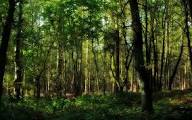 Bhakkar Forest Division came into being under Thal Development Authority (TDA) in the year 1952. When the development of Thal tract started, government decided to allocate waste land for afforestation in order to stabilize shifting sand dunes and for the production of timber and firewood. In 1951, this tract was handed over to Punjab Forest Department. The forest area is around 15531 acres. There is also linear plantation of 1345 km alongside the road /rails / canals in the district. The popular trees of this area are kikar and shisham.
Wildlife
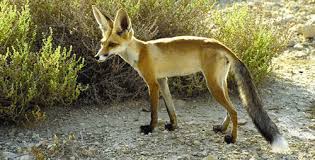
District Bhakkar has four types of habitat and dimensional type of biodiversity. Grey partridge, black partridge, dove, common myna, common babbler, bulbul, Indian robin, woodpecker, migratory birds included houbara bustard, quills, water fowls and prey birds also visit in this areas.
The four types of habitat:
- Riverine Area
- Thal Area
- Irrigated Forest Plantation
- Agriculture Land
View Gallery: Wild Animals | Wild Birds